Read every series in the right order

The Kingkiller Chronicle Books in Chronological Order – Complete Reading Guide
Must-Have

Amazon.com
The Name of the Wind: Start Your Journey
Trending Now

Amazon.com
The Wise Man's Fear: Kingkiller Series Vol. 2
Hot Pick

Amazon.com
Complete Kingkiller Chronicle 3 Book Set
Top Rated
Amazon.com
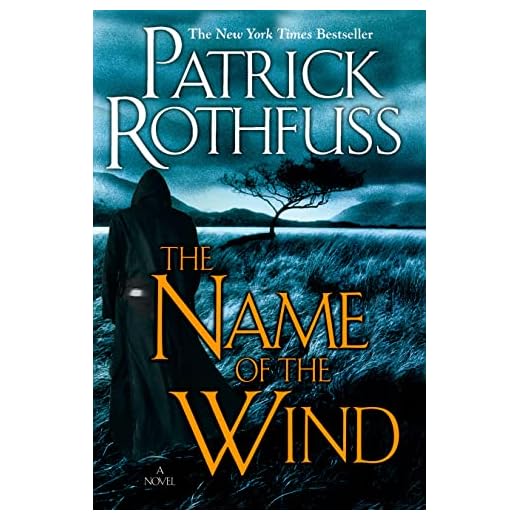
The Name of the Wind: Book 1 Edition
Table of Contents
Quick Answer (TL;DR)
If you’re looking for The Kingkiller Chronicle Books in Chronological Order, read the mainline saga exactly as published:
- The Name of the Wind (Day One) → 2) The Wise Man’s Fear (Day Two).
Then fold in companion tales that slot neatly around the frame story:
- The Slow Regard of Silent Things (Auri novella; side story)
- “The Lightning Tree” (Bast novella; originally in the Rogues anthology; expanded versions exist in some markets)
They’re optional but add texture to Kvothe’s world. When the third main volume arrives, you’ll already have the lore foundation—and fewer Chandrian-sized question marks.
Introduction
Some fantasies roar like a warhorn; The Kingkiller Chronicle hums like a lute string caught between breath and memory. Patrick Rothfuss’s saga is the long confession of a legend—Kvothe—recounted over three days to a traveling scribe known as Chronicler. Each day unfolds in a nested structure: a quiet, candlelit frame in the Waystone Inn and the sprawling, incandescent past where songs, sympathy (the book’s rule-based magic), and stories are tools as sharp as steel.
Because the narrative is itself a chronicle, readers naturally ask for The Kingkiller Chronicle Books in Chronological Order. Here’s the tidy truth: the publications align with the story’s internal “Day One/Day Two/Day Three” design. That means the best way to experience the books is also the simplest—read in release order. Then treat the novellas as flavorful companions that deepen side characters (Auri, Bast) without scrambling the main plot’s momentum.
Top Rated

The Wise Man's Fear: A Fantasy Epic
Second book in the acclaimed series
Dive into the world of Kvothe as he faces new challenges and adventures. This gripping continuation expands on the rich fantasy lore.
This guide, prepared in the house style of Books in Chronological Order, gives you the essentials: readable facts tables, buy-link overviews (no spoilers), developmental blurbs, a character-arc timeline, publication vs. in-world order, editions and collector tips, adaptation notes, and a librarian’s take on who will love these books—and why.
Quick Facts
| Item | Details |
|---|---|
| Series | The Kingkiller Chronicle |
| Primary works | The Name of the Wind (Day One); The Wise Man’s Fear (Day Two) |
| Companions | The Slow Regard of Silent Things (Auri); “The Lightning Tree” (Bast) |
| Average pages | ~722 pp (Day One, trade); ~994 pp (Day Two, trade) |
| Typical read time | 10–14 hrs (Day One) & 14–20 hrs (Day Two) at 50–70 pp/hr; more if you linger over songs and lore |
| Reading difficulty | Moderate to advanced: lyrical prose, embedded verse, invented folklore, layered world-building |
| Core genres | Epic fantasy, literary fantasy, campus fantasy, picaresque adventure, mythopoeia |
| Content guidance | Violence (duels, assassinations), sexual situations (consensual), trauma/grief, classism, power abuse |
| Ideal age range | 16+ for most readers; mature teens comfortable with adult themes |
| Magic system | “Sympathy” (thermodynamics-like energy transfers), naming, sygaldry (artifice), alchemy, and a mythic layer tied to true names |
| Media adaptations | Multiple film/TV development cycles; board game Tak inspired by the world; soundtrack projects and readings exist |
| Best entry point | The Name of the Wind—start here, always |
About The Kingkiller Chronicle Book Series
At its heart, The Kingkiller Chronicle is a story about stories—how they’re forged, embellished, and weaponized. Rothfuss orchestrates a frame narrative (the quiet present at the Waystone Inn) with the vibrant past (Kvothe’s childhood with the Edema Ruh, the University years, wanderings through Vintas, Ademre, and the Fae). The books are consciously musical: meter and rhythm shape the prose; named songs and poems act as plot devices; even the magic of Naming pivots on the idea that to truly know a thing is to hold power over it.
Must-Have
The Name of the Wind: Start Your Journey
Inspiring tale of a gifted musician
Experience the origins of Kvothe’s legendary journey in a deeply immersive narrative. Discover magic, music, and mystery.
The series structure is formally elegant: three “days,” three main volumes. Day One is discovery and survival. Day Two expands the world—politics, mercenary work, daily craft at the University. Day Three (unpublished at the time of this writing) promises the turn from mythmaking to reckoning, when the carefully lit Waystone shadows hide less than they reveal.
The Kingkiller Chronicle Books at a Glance
| # | Title | Amazon Buy Links |
|---|---|---|
| 1 | The Name of the Wind (Kingkiller Chronicle, Day One) | Buy On Amazon |
| 2 | The Wise Man’s Fear (Kingkiller Chronicle, Day Two) | Buy On Amazon |
| — | The Slow Regard of Silent Things (companion novella; Auri) | Buy On Amazon |
| — | “The Lightning Tree” (Bast novella; expanded in some editions) | Buy On Amazon |
*For clean presentation, we’ve listed generic buy-paths without pasting long URLs. Search the exact title + format on Amazon’s storefront and select your preferred edition.
The Kingkiller Chronicle Books in Chronological Order
Reading The Kingkiller Chronicle Books in Chronological Order is refreshingly aligned with publication order. Here’s what you gain at each step—without spilling the stew.
Trending Now
The Wise Man's Fear: Kingkiller Series Vol. 2
A must-read for fantasy lovers
Join Kvothe on his quests filled with danger and intrigue. This sequel promises to deliver more of the mesmerizing storytelling you crave.
1) The Name of the Wind (Day One)
It opens with silence—three kinds of it—and a red-haired innkeeper who isn’t just an innkeeper. When Chronicler recognizes Kvothe, the bargain is struck: one life, three days, told true. Day One carries you from the caravan-stage of the Edema Ruh to the soot and hunger of a city’s underbelly, and onward to the University where sympathy, sygaldry, and arithmetic are studied with the same zeal as poetry.
What makes Day One sing is how deftly it knits the intimate (a boy learning, hungering, grieving) with the legendary (songs about Chandrian, rumors of the Amyr, the dangerous glamour of the Fae). The University isn’t just a fantasy Hogwarts; it’s a harsh meritocracy with tuition, politics, and scarcity attached. Kvothe’s gifts—music, quick study, audacity—set the stage for triumphs that are never free and missteps that cost more than coin. You close the book understanding why a name can be a blade—and why a story told right can be a shield.
Read if you like: campus fantasy with bite, clever magic grounded in pseudo-physics, folklore that feels older than the map, and prose that listens to itself.
2) The Wise Man’s Fear (Day Two)
If Day One tightens the bowstring, Day Two lets arrows fly in multiple directions. Kvothe’s feud with a noble escalates; University pressure boils; leaving campus opens political labyrinths in Vintas, a mercenary hunt along the King’s Road, and training among the Adem—warriors whose blade-philosophy rewires Kvothe’s sense of story and self. A sojourn in the Fae with Felurian bends tone and time; a return to the mortal world doesn’t stitch those seams cleanly shut.
Hot Pick
Complete Kingkiller Chronicle 3 Book Set
Ideal collection for true fans
Enjoy the entire Kingkiller Chronicle saga in one stunning set. Perfect for readers who want to experience the journey from start to finish.
Day Two is bigger, broader, and riskier: court intrigue, economics, traveling companions with agendas, and cultural collisions (the Ademre sections, in particular, interrogate masculinity, reputation, and the economy of stories). It deepens mysteries—Amyr, Chandrian, the Lackless—and raises the stakes in the Waystone frame. If Day One is the song that wins a room, Day Two is the set where the musician tests how far the audience will follow.
Read if you like: picaresque stretches, martial traditions with embedded ethics, culture-clash dialogue, long games with mythic payoffs.
Series Timeline & Character Development
Frame vs. Past:
- Frame (present): Kvothe as Kote, an innkeeper in hiding; Bast hovering between protege and puppet-master; Chronicler doing the impossible—capturing myth on the page.
- Past (chronicle): Kvothe’s trajectory from prodigy to exile to student to… something more dangerous than either.
Arc highlights:
Top Rated
The Name of the Wind: Book 1 Edition
Epic start to Kvothe's story
Embark on an unforgettable adventure with Kvothe as he recounts his past in an enchanting first installment of the series.
- Curiosity to craft: Kvothe’s raw talent is undeniable; the series insists that craft—hours, failure, practice, breaking and remaking a thing—is what turns talent into power.
- Story as currency: Songs, lies, and legends pay for food, open doors, and start wars. Kvothe learns to spend stories strategically.
- Power with price: Sympathy requires energy; names require the self. Every solved problem creates a new debt somewhere else.
- Identity and masks: Edema Ruh boy → University arcanist → court instrument → mercenary lead → student of the Adem → survivor of the Fae → innkeeper. Each mask fits and fails in different light.
- Where it’s pointed: The Waystone frame grows darker; Day Three promises collision between the man Kvothe was, the myth he became, and the innkeeper he pretends to be.
Novels Sorted by In-Universe Events
Because the saga is explicitly structured by “days,” the simplest in-world order equals the reading order:
- Day One: The Name of the Wind (Kvothe’s account begins; frame chapters interleave)
- Day Two: The Wise Man’s Fear (the chronicle continues; the frame advances)
- Day Three: (forthcoming main novel)
Companions (fit around the frame, spoiler-light):
- The Slow Regard of Silent Things — set in and around the Underthing during frame-era time; it’s Auri’s quiet, meditative week.
- “The Lightning Tree” — a day with Bast doing very Bast things, largely independent of the chronicle’s main turns.
Novels Sorted by Publication
- The Name of the Wind (Kingkiller Chronicle, Day One)
- The Wise Man’s Fear (Kingkiller Chronicle, Day Two)
Companions: The Slow Regard of Silent Things, “The Lightning Tree.”
(A third Day—completing the frame—has been announced but not yet published at the time of this guide.)
Companion Works
The Slow Regard of Silent Things (Auri novella)
A slender, luminous meditation on craft, balance, and naming without names. There’s almost no dialogue, minimal plot, and yet pages glow with the quiet labor of setting a world to rights. If the main novels are symphonies, this is a solo for glass harmonica. Best read after Day One (so you know Auri) or between Day One and Day Two.
“The Lightning Tree” (Bast novella)
Part trickster tale, part secret-tender. You’ll meet a more feral Bast, a more dangerous one, playing games with mortals and meanings. The story was first published in an anthology and has since seen variations/expansions; it’s a peek behind the Waystone curtains.
Tak: A Beautiful Game (board game)
Pulled from a line in Kvothe’s travels and realized at the table, Tak is an abstract strategy game about making a “road” connecting edges. Beautifully simple to learn, deeply mean to master; it captures the series’ balance of elegance and cunning. If you relish the University’s love of puzzles, Tak’s cadence will feel just right.
Editions & Formats (hardcover, collector, audio)
- Hardcover: Sturdy spines, ideal for re-reads and marginalia. Some editions offer deckle edges, map endpapers, or matching sets.
- Paperback / Mass Market: Budget-friendly; the mass market version is pocketable, but watch tiny type.
- Kindle / eBook: Great for highlighting songs, lore, and scattered linguistic clues; portable, searchable.
- Audiobook: A treat if you savor cadence. The narration gives ballads and poems a living shape. Many listeners alternate print + audio for maximum immersion.
- Special / Illustrated: From time to time, limited or illustrated editions (especially for Slow Regard) appear; collectors should mind ISBN details and printing runs.
Collector’s tip: Match trim sizes across Day One and Day Two; if you plan for Day Three to sit pretty later, choose a binding style you’ll want for the whole set.
Why Read The Kingkiller Chronicle Books in Chronological Order?
- Design intention: The saga is literally named a “chronicle.” Reading The Kingkiller Chronicle Books in Chronological Order is reading as designed.
- Frame integrity: The emotional voltage in the Waystone Inn depends on the order of revelations in the chronicle. Shuffle it and you blunt some of the best turns.
- Companion synergy: Auri’s and Bast’s spotlights enrich, rather than upstage, the core narrative when taken as side dishes between (or after) courses.
- Lore digestion: Sympathy, sygaldry, naming—each layer adds complexity. Publication order spaces that learning curve so you savor, not sink.
Author Spotlight: Patrick Rothfuss
Patrick Rothfuss was born in Wisconsin in 1973, a geography that knows a thing or two about long winters—the kind that turn readers into writers. After bouncing through majors (chemical engineering to theater, psychology to medieval history), he completed an English degree and began teaching, fencing, and, joyfully, writing. The result: The Name of the Wind, a debut that reads like the third album of a musician who practiced in basements for a decade.
Must-Have

The Name of the Wind: First Book Intrigue
A captivating fantasy adventure begins
Join Kvothe in his quest filled with magic, music, and mystery. This is where the legend begins and the journey unfolds.
Rothfuss’s strengths are particular and rare in epic fantasy:
- Prosody in prose: Sentences with musical timing; refrains that reward rereads.
- World as folklore: Nursery rhymes, tavern tales, and cautionary songs do heavy plot lifting.
- Magic with math: Sympathy leans on conservation and clever linkages; it’s a fantasy of thinking, not hand-waving.
- Tenderness for craft: From luthiery to chemistry, the books love the way things are made, named, and balanced.
Outside the novels, Rothfuss partnered to bring Tak into the world, champions literacy and charity initiatives, and—like his readers—cares a great deal about telling the next part of the story right.
Media Adaptations (films, TV, radio)
The road to screen has been as twisty as a song passed from tavern to tavern. Over the last decade, The Kingkiller Chronicle has drawn development interest across major studios for simultaneous film, TV, and even game projects, with notable creatives attached at various points. Rights have shifted homes; pilots and scripts have been drafted and shelved; some high-profile partners have rotated off.
What to know now:
- There is no completed, released film or TV series at the time of this guide.
- The IP remains attractive precisely because the structure (frame + past) could support parallel adaptations (an Inn-set series and feature-length arcs from the chronicle).
- Meanwhile, Tak brings a tangible slice of Temerant to your table, and readings, music projects, and fan adaptations keep the world humming.
If you crave a “watch while you wait,” cue up literary-forward fantasy with strong frame devices (think series that marry myth, memory, and unreliable narrators) to scratch a similar itch—then circle back for a re-read.
FAQs
What is the exact order to read?
Read The Name of the Wind → The Wise Man’s Fear. If you’d like, add The Slow Regard of Silent Things and “The Lightning Tree” as side stories before a final re-read of Day One/Day Two.
Is there a recommended point for Slow Regard?
After Day One works best (you’ve met Auri; the Underthing breathes). Between Day One and Day Two is lovely; after Day Two is fine.
Do the companions spoil anything?
They’re intentionally self-contained. They sharpen your sense of Auri and Bast but don’t reveal Day Three secrets.
Is the magic hard or soft?
Sympathy behaves like a hard system—clear costs, constraints, and clever applications—while Naming feels soft, numinous, mythic. The blend keeps both awe and rigor alive.
How adult are these books?
Violence can be stark; sexual content appears (consensual, thematically integral). Most librarians shelve for older teens and adults.
Why do people re-read so much?
Because half the fun is noticing how a lullaby in Chapter X becomes a weapon in Chapter Y. The books put clues in plain sight and dare you to listen better.
Final Thoughts
If epic fantasy is a spectrum—from sword-swinging quests to literary meditations on myth—The Kingkiller Chronicle lives near the lyrical end without forgoing danger, wit, or propulsion. Reading The Kingkiller Chronicle Books in Chronological Order (which thankfully equals publication order) lets you hear the composition as it was scored: a three-day confession punctuated by candle smoke, a stubborn lute, and a world where the right word, sung at the right time, can open a door you didn’t know existed.
Start with Day One. Linger. Let the songs stain your fingers. When Day Two widens the map, follow. And when Day Three arrives, you’ll be ready to weigh every silence—and every name.