Read every series in the right order

A Simple Morning Reading Routine to Start Your Day Calm and Focused
If you’ve ever opened your phone “just for a second” in the morning and suddenly it’s 27 minutes later—news, notifications, group chats, one more scroll, a tiny spike of stress—you’re not alone.
That’s exactly why I love a morning reading routine.
Not a dramatic, two-hour sunrise ritual. Not a perfect “5 a.m. club” schedule. Just a small, repeatable habit that helps you start the day feeling like you’re choosing the pace, instead of reacting to it.
For me, morning reading is the quiet anchor that keeps the rest of the day from wobbling. It steadies my attention. It softens the urge to rush. And it gives my brain something better than chaos to hold onto first.
This post will walk you through a simple, practical, realistic morning reading routine you can start tomorrow—whether you have 15 minutes of peace or 5 minutes before the day kicks down the door.
Quick Answer: What’s the simplest morning reading routine?
A simple morning reading routine looks like this:
- Wake up and create a 10–15 minute window
- Sit in the same spot (or one consistent “reading cue”)
- Read one gentle, focused source
- Capture one idea (highlight or one-sentence note)
- End with a quick reflection (30 seconds to 2 minutes)
That’s it. The power is in the repetition, not the complexity.
Table of Contents
Key Takeaways
- Pick a fixed 10–15 minute reading window right after waking to anchor your day.
- Choose one consistent type of reading (daily essays, a chapter, poetry, calm nonfiction) to reduce decision fatigue.
- Build a distraction-free setup: notifications off, phone out of reach, book ready.
- Use short passages + one quick note to reinforce retention without turning it into homework.
- End with a micro-reflection to turn reading into calm momentum, not just consumption.
Why a Morning Reading Routine Sets the Tone for Your Day
There’s something different about your brain in the first minutes after waking. It’s not fully hardened by the day yet. It’s more open, more impressionable, and—when you protect it—more capable of calm focus.
A morning reading routine works because it shifts your first input from reactive to intentional.
It creates a “calm first signal”
When your first signal is reading—quiet, linear, focused—your mind follows that shape. You begin the day in a state of single-task attention, which is rare and valuable.
It reduces the feeling of hurry
Ten minutes of reading doesn’t magically remove your to-do list. But it changes how you meet it. You’re less likely to sprint mentally before you’ve even put your feet on the floor.
It improves clarity (without forcing productivity)
This isn’t about squeezing one more productivity hack into your morning. It’s about becoming calmer and clearer before the world starts pulling at you.
It builds emotional resilience in small doses
If you choose reading that’s steady—reflective essays, thoughtful fiction, gentle nonfiction—you start the day with a sense of “I can handle this.” Not in a motivational poster way, but in a grounded way.
And if you need a little inspiration to remind yourself why reading is worth protecting, I’d bookmark this for later: Reading Quotes: Why We Read. It’s the kind of page that’s perfect for a calm morning reset.
The Mindset Shift That Makes This Routine Stick
Before we build your routine, two quick mindset shifts make everything easier:
1) Your routine should feel light, not heavy
If the routine feels like another obligation, you’ll resist it. If it feels like a relief, you’ll crave it.
So we’re building something you can do even on messy days.
2) Consistency beats intensity
Reading for 12 minutes every day will change your life more than reading for 90 minutes twice and then quitting.
Small is sustainable. Sustainable becomes automatic. Automatic becomes identity.
-33%

Amazon.com
$11.99
$17.99
The 5AM Club: Own Your Morning. Elevate Your Life.
-34%
Amazon.com
$13.01
$19.95
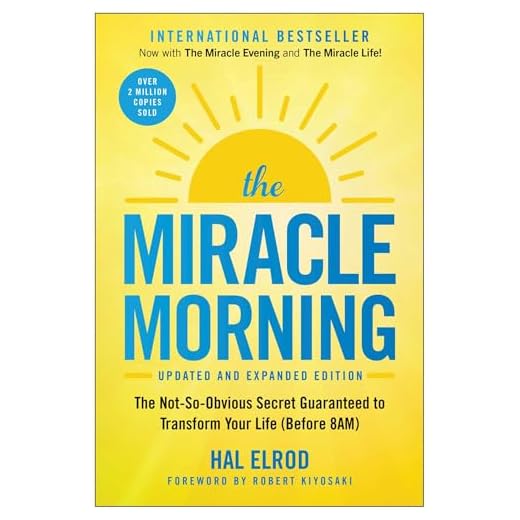
The Miracle Morning (Updated and Expanded Edition): The Not-So-Obvious Secret Guaranteed to Transform Your Life (Before 8AM) (Miracle Morning Book Series)

Amazon.com
$13.87
Morning Mindset: A Daily Journal to Get You in the Best Headspace Every Day. Change Your Mornings, Change Your Life.
The Simple Morning Reading Routine (10–15 Minutes)
Here’s the routine I recommend to most people because it’s practical, flexible, and doesn’t require a personality transplant.
Step 1: Decide your time window (and protect it)
Choose one:
- 5 minutes (busy mornings, parents, commuters)
- 10 minutes (the sweet spot for most people)
- 15 minutes (calm mornings, deeper focus)
Put it in your head as a non-negotiable tiny appointment. Not because you’re strict, but because this is your anchor.
Pro tip: If mornings are unpredictable, set a “minimum.”
Example: “I read at least 5 minutes, and if I have more time, great.”
Step 2: Use one consistent cue
A cue is something your brain associates with the habit.
Examples:
- Same chair
- Same mug
- Same corner of the sofa
- Same lamp
- Same blanket
- Same “phone goes here” spot
This is behavioral magic: cues reduce friction.
Step 3: Read one thing (not five things)
One source. One book. One chapter. One essay.
When you jump between multiple pieces of content, your mind becomes scattered. The goal is the opposite: calm focus.
Step 4: Capture one idea (one sentence)
Don’t overdo note-taking. Just capture something simple:
- One highlight
- One sentence in a notebook
- One “today’s takeaway”
- One line that made you pause
This is what turns reading from passive to useful.
Step 5: Close the loop with a micro-reflection
Take 30 seconds to 2 minutes and ask:
- “What do I want to carry into the day?”
- “What’s one intention that fits my life today?”
- “What would ‘calm’ look like in one small moment later?”
That’s enough.
A “No-Frustriction” Setup You Can Prepare in 2 Minutes
If you want this routine to actually happen, make the morning setup ridiculously easy.
The night-before micro-prep (the real secret)
Do these two things before bed:
- Put your book (or Kindle) where you’ll see it
- Choose what you’ll read (bookmark the page, pick the chapter)
Morning-you is not responsible for decisions. Morning-you only follows the trail.
Your ideal reading space (keep it simple)
You don’t need a reading nook worthy of a magazine spread. You need:
- comfortable seat
- light (soft is best)
- book within reach
- phone out of reach
If you read digitally, keep the device in Do Not Disturb with notifications off.
Here’s a quick “setup map” you can copy:
| Minute | What you do | Why it helps |
|---|---|---|
| 0–1 | Sit down, water sip, deep breath | Signals calm mode |
| 1–12 | Read one chapter/essay | Focus + clarity |
| 12–14 | Highlight / one-sentence note | Retention |
| 14–15 | One intention for today | Momentum |
Choosing the Right Morning Reading Material (So You Feel Calm, Not Wired)
This part matters more than people think.
Morning reading should make you feel:
- steady
- clear
- slightly more yourself
Not frantic. Not overloaded. Not emotionally wrecked before breakfast.
What to read in the morning (my “calm menu”)
Option A: Reflective nonfiction
- short essays
- daily meditations
- gentle personal development
- journaling prompts
Option B: Fiction (surprisingly great for mornings)
If you want your mornings to feel softer, fiction is a quiet superpower. A few pages of a novel can bring your nervous system down fast—especially if it’s familiar, warm, or character-driven.
Option C: Poetry
Poetry is perfect when time is tight. One poem can be the entire routine.
Option D: A series you’re reading in order
If you’re using mornings to make progress through a series, keep it easy: one chapter a day, same book until done.
And because we’re Books in Chronological Order, here’s a small bonus tip: if you’re reading series in the morning, it’s worth having a quick guide saved so you never waste time figuring out what’s next. This page helps with that: Series Reading Order Tips.
What to avoid first thing (most days)
- breaking news
- heavy arguments online
- stressful work email
- intense, grim nonfiction (unless it genuinely grounds you)
You can read those later. Mornings are precious.
The “One Source Rule” to Beat Decision Fatigue
One of the biggest reasons morning routines fail is simple: too many choices.
You wake up, and your brain tries to decide:
- which book
- which genre
- which app
- which mood
- which chapter
That’s a lot for a half-awake mind.
So I recommend a “one source rule” for at least two weeks.
Examples:
- One daily essay book
- One novel you read in order
- One nonfiction book you slowly work through
- One poetry collection
When the routine is stable, you can diversify. But at the start, stability is what makes it stick.
Tools to Maximize Retention (Without Turning It Into Homework)
You don’t need a complex system. You need a tiny loop: Read → capture → review
Highlights
If you read on Kindle, highlighting is effortless. If you read physical books, use:
- a pencil underline
- sticky tabs
- a tiny “quote notebook”
Highlights are useful because they let your brain say: “This mattered.”
Notes
Keep notes short. My favorite formats:
- One sentence takeaway
- 3 bullet points
- A single question
Examples:
- “Today I want to protect my attention.”
- “Small actions compound.”
- “What would ‘calm’ look like at 3 p.m.?”
Review (the missing link)
Most people highlight but never revisit.
Try a 2-minute review:
- once every Sunday morning
- or during your Monday routine
Just skim what you captured. That’s how it sticks.
Integrating Reading With Hydration and Movement (A Calm Stack That Works)
If you want your morning reading routine to feel even better, pair it with two tiny physical cues:
1) Hydration first
Drink a glass of water before you sit down. It’s simple, but it wakes your body without stimulation.
2) Gentle movement after
After reading, do one minute of stretching or a short walk around the room.
This “bookend” effect helps:
- reduce grogginess
- improve focus
- prevent the routine from feeling sleepy
A good rhythm looks like this: Water → read → note → stretch
You’re not trying to become a new person. You’re just waking up kindly.
Adapting the Routine for Busy Mornings (When Life Is Loud)
Some mornings are calm. Some mornings are chaos.
The goal is not to have a routine that only works on perfect mornings. The goal is to have a routine that survives real life.
The 5-minute emergency version
If you only have five minutes, do this:
- Read 2 pages (or one poem)
- Highlight one line
- Write one sentence: “Today I want to…”
Five minutes still counts. Five minutes still anchors you.
The “kettle routine” (my favorite for busy households)
If your mornings include making coffee or tea:
- Put the book on the counter.
- Read while the kettle boils / coffee brews.
- Same cue every day.
It’s sneaky and effective.
Audiobooks for hands-busy mornings
If mornings are movement-heavy (kids, commuting, chores), use audiobooks.
Listen to:
- a calm chapter
- a short essay
- a few pages of your current book
Then capture one thought in your notes app.
Keeping Momentum: Track, Reflect, and Iterate (Without Overthinking)
A morning reading routine becomes sustainable when you treat it like a living habit, not a rigid plan.
Track your streak lightly
You can track in a way that feels supportive, not stressful:
- a simple calendar checkmark
- a habit tracker app
- a note that says “Read: yes/no”
The goal is awareness, not pressure.
Reflect weekly (2 minutes)
Once a week, ask:
- “Did reading make my mornings better?”
- “What got in the way?”
- “What’s one small tweak that would help?”
Iterate gently
Tiny adjustments are powerful:
- move the routine earlier or later by 10 minutes
- change the chair
- switch from nonfiction to fiction
- shorten the routine instead of quitting
Consistency isn’t about never missing. It’s about restarting quickly.
Common Problems (and Fixes That Actually Work)
“I can’t focus in the morning.”
Start with fiction or poetry. Or read something familiar. Early focus improves with repetition.
“I keep reaching for my phone.”
Physically move it to another room. Or put it on a high shelf. Distance matters.
“I don’t know what to read.”
Use the one source rule. Pick one book for two weeks. If you want more reading access without extra spending, this is helpful: How to Get Free Books on Kindle.
“I miss days and then I quit.”
Lower the minimum. Make it 3 minutes. A routine you can keep is better than a routine you admire.
“My mornings are unpredictable.”
Anchor reading to a cue instead of a time:
- after coffee
- after bathroom
- after school drop-off
- before opening email
Sample Morning Reading Routines You Can Copy
Routine 1: The Classic 15-Minute Calm Start
- 1 min: water + sit down
- 12 min: read one chapter/essay
- 2 min: note + intention
Routine 2: The 10-Minute “Before the Noise”
- 8 min: read
- 1 min: highlight
- 1 min: breathe + choose your day’s “word” (calm, patience, focus)
Routine 3: The 5-Minute “Busy Morning” Version
- 4 min: read 2–3 pages
- 1 min: one sentence takeaway
Routine 4: The Parent Version (realistic and forgiving)
- read while kids eat breakfast (2–7 minutes)
- listen to audiobook during prep
- write one sentence after drop-off
Frequently Asked Questions
What is the 5–5–5–30 morning routine?
It’s a structured approach that often includes small blocks for reading, reflection/journaling, mindfulness, and a longer focus block. If you like structure, borrow the idea—but keep your version realistic.
What is a good simple morning routine?
A good simple routine is one you’ll actually repeat: water, 10 minutes of reading, one note, and a quick intention. Simple is powerful.
What is the 20–20–20 rule for mornings?
It’s a popular format that splits the first hour into three 20-minute blocks (movement, reflection, learning). Great in theory—unnecessary for a calm reading habit. You can get most of the benefits with 10–15 minutes of reading.
What if I’m not a morning person?
Then don’t fight your biology. Do the routine when you naturally have a quiet pocket—after coffee, after the shower, or even at your desk before email.
Should I read fiction or nonfiction in the morning?
Both work. Nonfiction can feel grounding and intentional. Fiction can feel calming and emotionally steady. Try each for a week and see what makes you feel best.
Final Thoughts: Choose Your Quiet Anchor
A morning reading routine isn’t about becoming “disciplined.” It’s about choosing a better first input.
Ten minutes of reading won’t solve everything. But it can change your inner weather. It can replace frantic scrolling with a calmer rhythm. It can train your attention to stay with one thing. And it can give you one idea worth carrying into the day.
Start small. Keep it gentle. Protect the first minutes of your mind.
And if you want an easy place to begin tomorrow, choose one book tonight, put it where you’ll see it, and decide: “This is my quiet anchor.”