Read every series in the right order
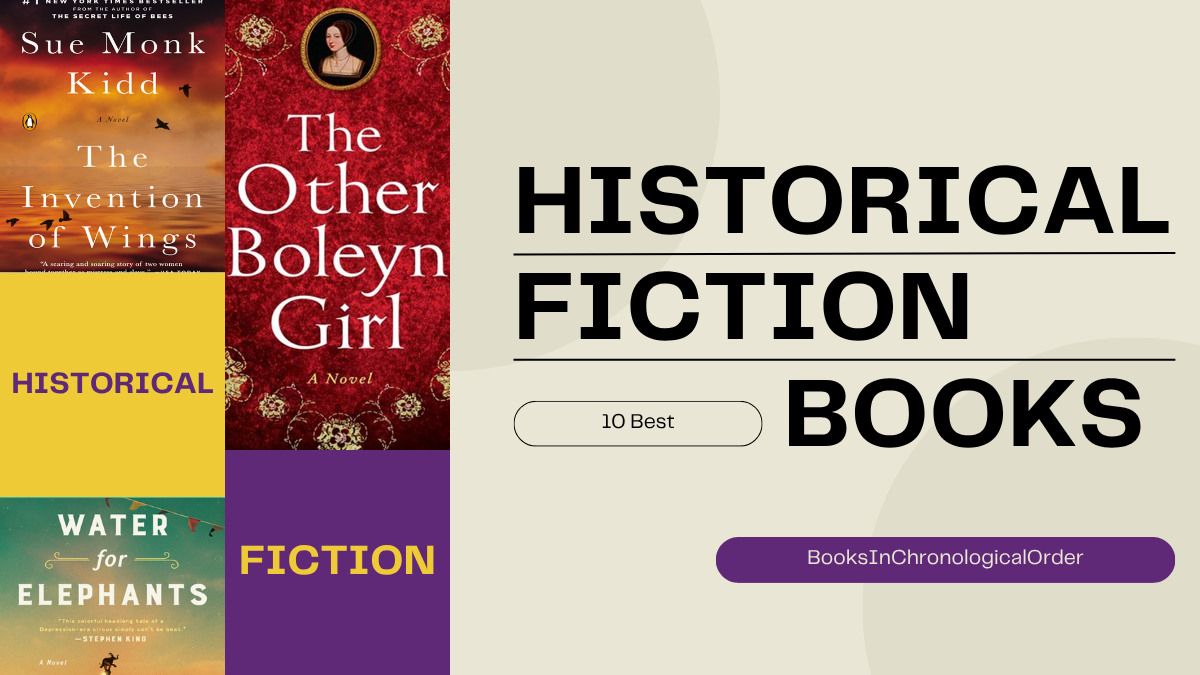
Best Historical Fiction Books: 10 Page-Turners Your Club Will Actually Argue About
Table of Contents
Quick Answer (TL;DR)
If your club is overwhelmed by options, start with The Women by Kristin Hannah (Vietnam War nurses; raw, timely, wildly discussable) and The Pillars of the Earth by Ken Follett (cathedral-building obsession; power, faith, desire). Need something lighter-dark? Try The Shadow of the Wind (a love letter to books with a gothic mystery engine). Want a guaranteed debate? The Other Boleyn Girl and Lonesome Dove will split the room—in the best way.
Building a reading calendar? See our best book club books for discussion
What Defines Historical Fiction?
Short version: novels substantially set in the past that weave invented characters (or reimagined real figures) into well-researched historical contexts. A common industry yardstick—popularized by the Historical Novel Society—says the setting should be at least ~50 years before the author writes or sufficiently before the author’s lived experience. That isn’t law, but it explains why a 1975 setting can count today.
What is the meaning of “historical novel”?
Same idea, different label: a historical novel is a work of fiction in which the primary time and place belong to the past, and real events, customs, and material culture are treated with care. The author may bend details for story logic, but the world should feel historically credible.
Browse our Historical Fiction (all guides & lists)
How I Chose (so your club doesn’t have to)
- Reader love: crowd enthusiasm and sustained word-of-mouth (most of these have 4.2★+ on retail sites).
- Discussion fuel: moral complexity, layered POVs, big historical stakes, ethical gray zones.
- Range: eras from biblical antiquity to the Great Depression to postwar Europe, and settings from Burma to Barcelona.
- Availability: multiple formats + easy library access.
- Book-club usability: strong “Why read / Why not / For whom” prompts for each title.
The 10 Best Historical Fiction Books (with Why/Why Not/For Whom)
1) The Pillars of the Earth — Ken Follett
- Era/Place: 12th-century England; Gothic cathedral in the making
- Vibe: Human ambition, engineering awe, ecclesiastical politics
- Why read it: It’s the rare “big book” that reads faster the longer you go. The architecture is thrilling (yes, thrilling), the villains hissable, and the moral questions about faith, power, and art are catnip for a group debate.
- Why not: Graphic brutality in spots; if your club prefers slim novels, this is a unit.
- For whom: Fans of sprawling sagas and documentary-style world-building.
2) The Women — Kristin Hannah
- Era/Place: 1960s–70s; Vietnam and the U.S. home front
- Vibe: Gritty, compassionate, unavoidably emotional
- Why read it: Centers women military nurses—too often erased—and examines service, PTSD, and the long afterlife of war. A 2024 breakout that topped reader lists and awards shortlists; your whole club will have feelings.
- Why not: Heavy trauma themes; some readers prefer less intensity.
- For whom: Clubs wanting a fresh historical pick that still reads like a classic.
3) The Shadow of the Wind — Carlos Ruiz Zafón
- Era/Place: Post–Civil War Barcelona (starting 1945)
- Vibe: Book-ish gothic mystery; fog, secrets, romance
- Why read it: It’s a hit with mixed-taste clubs—mystery lovers get a chase, lit-fic readers get gorgeous prose, and everyone gets the Cemetery of Forgotten Books mythos.
- Why not: Melodrama isn’t for every reader; a few subplots sprawl.
- For whom: Anyone who loves novels about the power of novels.
4) Lonesome Dove — Larry McMurtry
- Era/Place: Late-19th-century American West; epic cattle drive
- Vibe: Friendship, frontier violence, dark humor, heartbreak
- Why read it: A towering Western that snuck into the canon and won the 1986 Pulitzer Prize for Fiction—and still polarizes, which makes it perfect for a lively meeting.
- Why not: Violence and period attitudes; long, and unafraid of bleakness.
- For whom: Readers who want “great American novel” energy with moral bite.
5) The Other Boleyn Girl — Philippa Gregory
- Era/Place: Tudor court, Henry VIII
- Vibe: Glamour + scheming + sister rivalry = discussable chaos
- Why read it: A gateway to Tudor fiction that centers Mary Boleyn, asks sharp questions about agency, marriage markets, and who controls the narrative.
- Why not: Purists bristle at liberties; that’s also a discussion point: where should historical fiction draw the line?
- For whom: Readers who love court intrigue, sumptuous settings, messy choices.
6) West with Giraffes — Lynda Rutledge
- Era/Place: 1938; cross-country road trip with two rescued giraffes
- Vibe: Found family, wonder, Depression-era Americana
- Why read it: Based on the true 1938 trek of America’s first giraffes; improbably tender and perfect for clubs that want hope without sentimentality.
- Why not: If you need high body-count stakes, this is gentler.
- For whom: Animal lovers, history buffs, and multi-generational clubs.
7) Water for Elephants — Sara Gruen
- Era/Place: U.S. traveling circus during the Great Depression
- Vibe: Dusty romance; cruelty vs. compassion; unforgettable elephant
- Why read it: A swiftly paced, sensory plunge into circus life—power dynamics, financial desperation, and the moral cost of survival.
- Why not: Contains animal cruelty and abuse (on-page).
- For whom: Clubs that like love stories with teeth and texture.
8) Rules of Civility — Amor Towles
- Era/Place: 1937–38 New York City
- Vibe: Martini-dry voice; ambition, class, chance encounters
- Why read it: Towles gives you crackling dialogue and a coming-of-age-for-adults—what do we owe our younger selves when success finally calls? Publisher pages confirm its elegant late-’30s Manhattan setting.
- Why not: Plot is subtle; your group needs to enjoy character-driven arcs.
- For whom: Fans of The Great Gatsby, The Great Alone vibe without the wilderness.
9) The Invention of Wings — Sue Monk Kidd
- Era/Place: Early-19th-century Charleston
- Vibe: Dual-narrative (enslaved girl and slaveholder’s daughter); conscience and courage
- Why read it: Grapples with American slavery and female friendship, inspired by abolitionist Sarah Grimké; clubs get rich prompts about complicity, voice, and reform.
- Why not: Thematic heaviness; ensure content notes for your members.
- For whom: Readers who want morally engaged, character-first historicals.
10) The Glass Palace — Amitav Ghosh
- Era/Place: Colonial Burma to Malaya and India; late 1800s onward
- Vibe: Wide-angle empire saga; romance, exile, commerce, war
- Why read it: A sweeping door into Southeast Asian history that most Western clubs haven’t visited—royal downfall, teak fortunes, diaspora. (Ghosh’s own essays and notes illuminate his historical interests.)
- Why not: Big canvas, slower burn; your group should enjoy patient immersion.
- For whom: Readers who loved A Fine Balance or Pachinko.
Quick Comparison Table (scan, pick, click)
| Book | Author | Era / Setting | Group Vibe | Amazon Buy Link |
|---|---|---|---|---|
| The Women | Kristin Hannah | Vietnam War & aftermath | cathartic, topical, emotional | Buy On Amazon |
| The Pillars of the Earth | Ken Follett | 1100s England | epic, architectural, tense | Buy On Amazon |
| The Shadow of the Wind | Carlos Ruiz Zafón | 1945 Barcelona | bookish, gothic, twisty | Buy On Amazon |
| Lonesome Dove | Larry McMurtry | 1870s West | gritty, mythic, big-hearted | Buy On Amazon |
| The Other Boleyn Girl | Philippa Gregory | Tudor court | glamorous, scandal-rich | Buy On Amazon |
| West with Giraffes | Lynda Rutledge | 1938 USA | hopeful, quirky, tender | Buy On Amazon |
| Water for Elephants | Sara Gruen | Depression-era circus | romantic, dark, sensory | Buy On Amazon |
| Rules of Civility | Amor Towles | 1937–38 NYC | stylish, witty, reflective | Buy On Amazon |
| The Invention of Wings | Sue Monk Kidd | 1800s South | morally urgent, intimate | Buy On Amazon |
| The Glass Palace | Amitav Ghosh | Burma/India/Malaya | panoramic, political, lush | Buy On Amazon |
“Best historical fiction books out now” (my personal pick)
My pick right now: The Women by Kristin Hannah. It’s both a recovery of women’s war stories and a conversation magnet about service, protest, and who gets to be called a hero. It dominated 2024 reader charts and awards talk (including Goodreads Choice), and it has the rare mainstream reach that gets more people to the table.
If your group already did this: pair The Women with a legacy classic like Atonement or veer to News of the World for a leaner read with an unforgettable duo.
Love sweeping historical epics? Don’t miss our Shōgun Books in Chronological Order guide for Clavell’s saga + TV tie-ins.
Final Thoughts
The best historical fiction books don’t just time-travel; they reframe the present. Whether you choose a cathedral that takes a lifetime, a nurse who won’t be forgotten, a boy who finds salvation in a mysterious novel, or two giraffes rolling across America, each of these picks pairs a vivid past with provocations your club can really chew on.
Happy reading—and if you want a version of this post as a printable checklist or a Canva-ready discussion guide, say the word and I’ll drop it in.