Read every series in the right order

Bible Books in Chronological Order – Complete Reading Guide
Must-Have

Amazon.com
ESV Study Bible Edition
Trending Now

Amazon.com
The Bible Recap Reading Guide
Hot Pick

Amazon.com
NIV Study Bible Revised Edition
Top Rated
Amazon.com
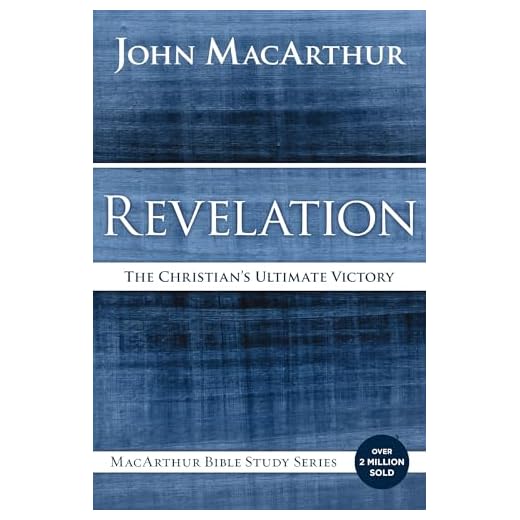
Revelation: A Biblical Study
Table of Contents
Quick Answer (TL;DR)
A practical way to experience the Bible’s story front-to-back is to read it in the story order the books describe, not strictly the order they were written or the order they’re printed in most editions. Using the plan you provided (66-book Protestant canon), the chronological flow is:
Genesis → Job → Exodus → Leviticus → Numbers → Deuteronomy → Joshua → Judges → Ruth → 1–2 Samuel → 1 Chronicles → Psalms, Song of Songs, Proverbs, Ecclesiastes → 1–2 Kings → 2 Chronicles → Isaiah → Jeremiah → Lamentations → Hosea → Joel → Amos → Obadiah → Jonah → Micah → Nahum → Habakkuk → Zephaniah → Ezekiel → Daniel → Ezra → Esther → Nehemiah → Haggai → Zechariah → Malachi → Matthew → Mark → Luke → John → Acts → 1–2 Thessalonians → 1–2 Corinthians → Galatians → Romans → James → Colossians → Philemon → Ephesians → Philippians → 1–2 Peter → Hebrews → 1 Timothy → Titus → 2 Timothy → Jude → 1–3 John → Revelation.
Top Rated

The One Year Chronological Bible NLT
Large print thinline edition for easy reading
This Bible offers a unique one-year reading plan presented in chronological order, perfect for those wanting to explore the scriptures deeply. Its large print makes it easy to read, enhancing your study experience.
This puts each book roughly where its events fit in the story (for example, Acts before Paul’s letters) so characters, places, and prophecies line up in your head as one unfolding narrative.
Introduction
The Bible isn’t a single-author novel. It’s a library of 66 books—law, history, poetry, prophecy, biography, letters, and apocalyptic vision—written across well over a thousand years. That’s why reading the Bible straight through from Genesis to Revelation can sometimes feel like switching channels without a guide. A chronological approach fixes that: you follow the story world in the order events happen, so Abraham appears before Moses, the kings before the exile, the exile before the return, the Gospels before the birth of the church, and Acts before Paul’s mail.
I’ve used the Bible Books in Chronological Order plan below with new believers, curious skeptics, and lifelong readers who wanted a fresh pass. The result is the same every time: motifs click, cross-references light up, and the “big arc” of creation → covenant → Christ → church → new creation becomes unmissable. Below you’ll find a spoiler-light tour, shopping options (study Bibles and chronological editions), and a timeline you can print and tape to your desk.
Must-Have
ESV Study Bible Edition
Comprehensive study tool for deep understanding
Designed for serious Bible study, this edition features extensive notes, maps, and articles to enhance your comprehension and application of biblical texts. A valuable resource for students and teachers alike.
Quick Facts
| Item | Details |
|---|---|
| Work | The Holy Bible (66-book Protestant canon used for this guide) |
| Recommended Reading Mode | Chronological (in-story) order, not canonical table of contents |
| Pages | ~1,200–2,200 pages depending on translation/print; study editions add 200–3,000 pages of notes |
| Estimated Read Time | ~70–90 hours text-only (average pace); ~120–200+ hours with notes |
| Reading Difficulty | Moderate (narrative), High (Leviticus/prophets), Moderate (Gospels/letters) |
| Genres Inside | Law, narrative history, wisdom/poetry, prophecy, Gospel, epistle, apocalyptic |
| Content Notes | Ancient warfare, violence, adult themes, lament; sacred text for many faith traditions |
| Media Adaptations | Numerous films/TV/audio dramatizations based on biblical books and episodes |
| Ideal Age Range | Teens+ for text; younger with guided selections and age-appropriate notes |
About the Bible Book Series
Calling the Bible a “series” is a metaphor to help you map an anthology. Think of it like a shelf containing genres that interlock:
Trending Now
The Bible Recap Reading Guide
One-year plan to read the entire Bible
This guide provides a structured approach to reading the Bible in one year, alongside insights and a recap for deeper understanding. Ideal for anyone wanting to connect with scripture daily.
- Torah (Genesis–Deuteronomy): origins, covenant, law.
- Former Prophets (Joshua–Kings): conquest, judges, monarchy, collapse.
- Writings (Psalms, Wisdom, Chronicles/Esther/Nehemiah): prayers, philosophy, post-exile life.
- Latter Prophets (Isaiah–Malachi): warnings and hope, anchored in specific moments.
- Gospels (Matthew–John): life, death, resurrection of Jesus.
- Acts: the Spirit, the church, mission.
- Epistles: real letters to real communities.
- Revelation: apocalyptic hope.
A Bible Books in Chronological Order plan threads these shelves into one long read that follows the in-universe timeline.
Bible Books at a Glance
| Purpose | Recommended Edition(s) | Amazon Buy Link |
|---|---|---|
| Balanced modern translation + strong notes | NIV Study Bible (Zondervan) | Buy On Amazon |
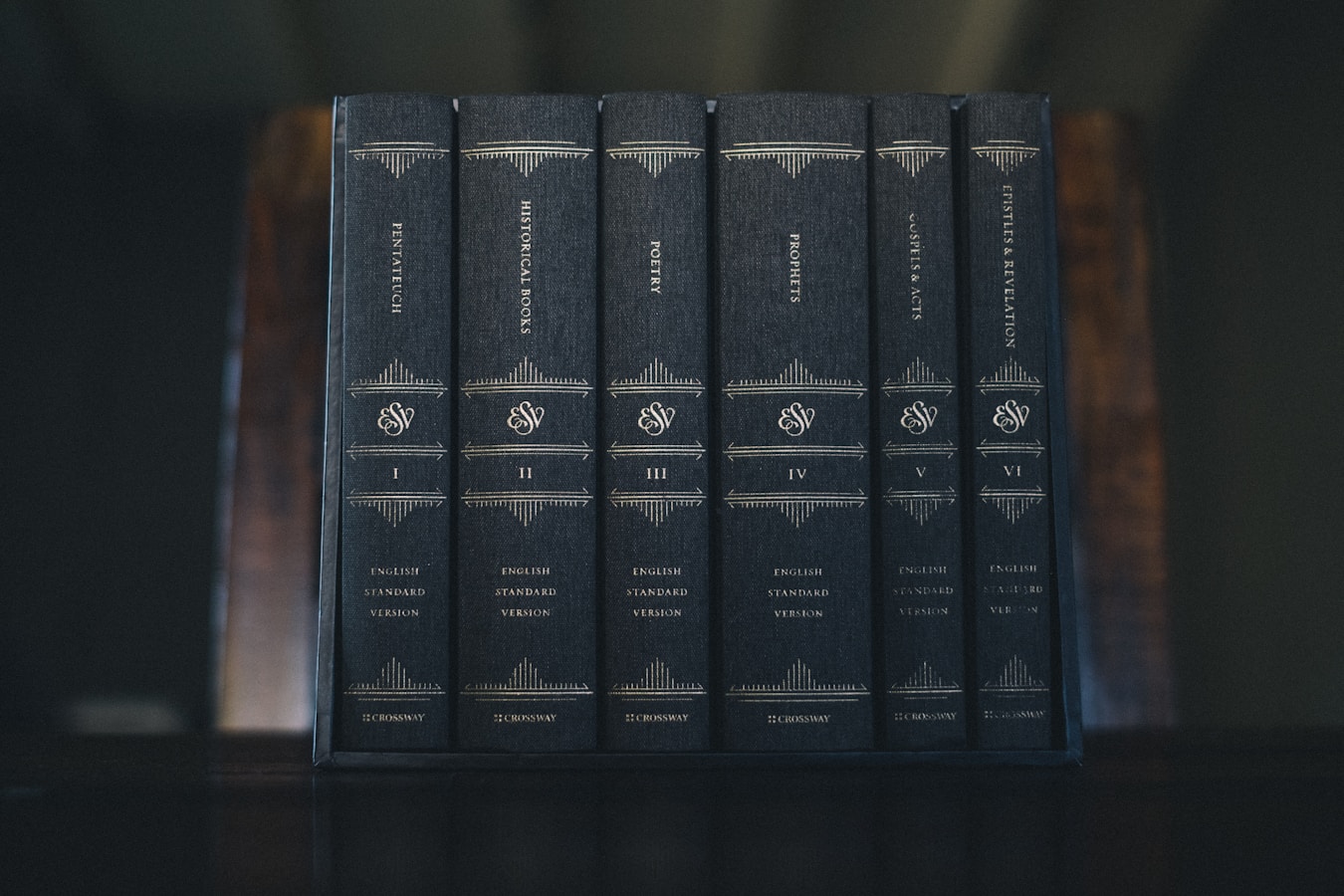
| Word-for-word leaning + scholarly helps | ESV Study Bible (Crossway) | Buy On Amazon |
| Readable narrative flow | CSB Study Bible (Holman) | Buy On Amazon |
| Literary/academic mainline | NRSV Updated Edition (NRSVUE) | Buy On Amazon |
| Classic cadence | KJV Reference Bible | Buy On Amazon |
| Chronological layout (daily plan) | The One Year Chronological Bible (NLT/ NIV) | Buy On Amazon |
| Immersive notes by era | The Chronological Study Bible (NKJV/ NIV) | Buy On Amazon |
| Audio | Dramatized Audio Bibles (NIV/ESV/KJV) | Buy On Amazon |
Note: This guide uses the Protestant 66-book list you provided. Catholic and Orthodox Bibles include additional deuterocanonical books and would require a slightly different chronology.
Bible Books in Chronological Order
To keep this practical (and readable), I group books by epoch, highlight anchor books, and note where poetry/prophecy fit. Use the full checklist later to track every title.
Hot Pick
NIV Study Bible Revised Edition
In-depth study resources for believers
This fully revised NIV Study Bible includes comprehensive study tools and a comfortable design, making it an excellent choice for both personal and group study. Perfect for anyone eager to deepen their faith.
1) Beginnings & Patriarchs
Genesis → Job
- Genesis opens with creation, fall, flood, Babel, and then narrows to Abraham’s family (Abraham → Isaac → Jacob → Joseph). Reading it first establishes the covenant promise (blessing to all nations) that the rest of the Bible will pursue.
- Job is set in patriarchal times (no Israel, no law), so many chronological plans place it alongside Genesis. Its wrestling with suffering prepares you for the moral weight of everything to come.
Why this era matters: You meet God’s character in seed form—Creator, Judge, Promise-Keeper—and the family that will carry blessing into a broken world.
Reading tips: Don’t rush genealogies; they’re the skeleton of the story world. In Job, let the poetry do its work—lament is allowed.
2) Exodus & Wilderness
Exodus → Leviticus → Numbers → Deuteronomy
- Exodus tells liberation from Egypt, covenant at Sinai, and the tabernacle presence.
- Leviticus is the holiness playbook—sacrifices, purity, priesthood. Slow down here; context notes are your friend.
- Numbers chronicles wandering and God’s stubborn patience.
- Deuteronomy is Moses’ goodbye—law retold, heart emphasized (“love the Lord your God…”).
Why this era matters: The covenant law explains what a freed people do with their freedom: worship, justice, neighbor love.
Reading tips: Use a study Bible for sacrificial system charts. Pair Deuteronomy with a modern-English translation for clarity.
3) Conquest, Judges, & Ruth
Joshua → Judges → Ruth
- Joshua: entry into the land; a story of promise kept, but also of compromise.
- Judges: cycles of rebellion, oppression, deliverance—spiraling downward.
- Ruth: a quiet, faithful story set “in the days when the judges ruled,” showing God’s providence through ordinary loyalty.
Why this era matters: You learn how quickly a nation forgets its calling—and how grace still works in the margins (Ruth’s line will lead to David).
Reading tips: Map reading helps; keep a timeline nearby to track the judges.
4) Rise of the Monarchy
1–2 Samuel → 1 Chronicles → Psalms / Song of Songs / Proverbs / Ecclesiastes
- 1–2 Samuel: Samuel, Saul, David. Power, poetry, and moral complexity.
- 1 Chronicles retells parts of Samuel with priestly emphases; reading it here helps you see parallel angles.
- Psalms: many psalms align with David’s life; a chronological plan sprinkles individual psalms into moments, but reading the whole Psalter in this era keeps David’s voice in your ear.
- Song of Songs, Proverbs, Ecclesiastes: traditionally linked to Solomon—wisdom in love, life skill, and existential questioning.
Why this era matters: The Davidic covenant (a king from David’s line) becomes the backbone of messianic hope.
Reading tips: Read a few psalms daily alongside narrative; it balances head and heart.
5) Kings, Division, & Prophets (Pre-Exile)
1–2 Kings → 2 Chronicles → Isaiah → Jeremiah → Lamentations → Hosea → Joel → Amos → Obadiah → Jonah → Micah → Nahum → Habakkuk → Zephaniah
The kingdom divides (north: Israel; south: Judah). Prophets address real kings and crises:
- Isaiah: sweeping vision—judgment, remnant, and a servant who will bear sins.
- Jeremiah & Lamentations: last days of Judah; temple falls; tears are theology.
- Hosea–Zephaniah: twelve shorter books (often called the Minor Prophets), anchored to this era; they blend warning with a surprising tenderness.
Why this era matters: You see covenant justice applied—and mercy promised beyond judgment.
Reading tips: Use a prophet-timeline chart. Note historical markers (e.g., Uzziah, Hezekiah, Josiah; Assyria/Babylon).
6) Exile & International Courts
Ezekiel → Daniel
- Ezekiel prophesies among exiles—visions of God’s glory leaving and returning.
- Daniel lives faithful under pagan kings; apocalyptic visions hint at empires and ultimate sovereignty.
Why this era matters: The story leaves the land, but God doesn’t leave his people.
Reading tips: Expect symbolism. Study notes help decode beasts/statues without over-reading headlines into them.
7) Return & Reconstruction
Ezra → Esther → Nehemiah → Haggai → Zechariah → Malachi
- Ezra/Nehemiah: second-temple community rebuilds altar, temple, walls; holiness and justice re-learned.
- Esther: God’s name never appears, but his providence hums.
- Haggai/Zechariah/Malachi: post-exilic prophets pushing apathetic people back to worship and hope.
Why this era matters: The line of promise is still alive; the people wait.
Reading tips: Read Ezra and Nehemiah together for narrative continuity; slot the prophets where they speak in that timeline if your study Bible offers references.
8) The Life of Jesus
Matthew → Mark → Luke → John
Four portraits, one Messiah.
- Matthew: fulfills Scripture; kingdom ethics.
- Mark: fast, urgent, discipleship under pressure.
- Luke: orderly account, compassion for outsiders; Part 1 of Luke-Acts.
- John: signs and “I am” sayings; high Christology.
Why this era matters: All promises find their “Yes” in Jesus.
Reading tips: Read at least two Gospels slowly; note overlapping episodes to hear each author’s emphasis.
9) The Birth of the Church & the Letters
Acts → 1–2 Thessalonians → 1–2 Corinthians → Galatians → Romans → James → Colossians → Philemon → Ephesians → Philippians → 1–2 Peter → Hebrews → 1 Timothy → Titus → 2 Timothy → Jude → 1–3 John
- Acts is the spine: Spirit poured out, gospel crossing languages and borders.
- Paul’s letters fit naturally into the Acts timeline (e.g., 1–2 Thessalonians after church plants around Acts 17; Corinthians during Acts 18–19; Romans near Acts 20).
- General letters address wider church life (James, Peter, John), and Hebrews exults in Christ’s priesthood and new covenant.
- Pastoral letters (1–2 Timothy, Titus) carry final-act tenderness and grit.
Why this era matters: Doctrine is written in ink for real communities living out the story of Jesus.
Reading tips: Keep a simple “Acts + letters” chart open while reading. It transforms the epistles from floating essays into timely pastoral mail.
10) The End of the Story
Revelation
A letter, a prophecy, and an apocalypse. Exiled John writes to churches under pressure, unveiling the Lamb’s victory and the New Creation.
Why this era matters: The Bible ends where Genesis began—but fulfilled: a garden-city, God with people, tears wiped away.
Top Rated
Revelation: A Biblical Study
Exploring Christian victory through Revelation
This MacArthur Bible Study provides insightful commentary on the book of Revelation, guiding readers through its profound messages of hope and triumph for believers. A must-read for understanding end times.
Reading tips: Let Revelation be a comfort literature. Trace the Old Testament echoes before chasing newspaper parallels.
Series Timeline & Character Development (from Eden to New Creation)
- Humanity: from image-bearers (Genesis 1) to exiles (Genesis 3) to a new humanity in Christ (Ephesians) to a renewed creation (Revelation 21–22).
- Covenants: Noahic (preservation) → Abrahamic (people/land/blessing) → Mosaic (law/holiness) → Davidic (king) → New Covenant (Jeremiah 31; fulfilled in Jesus).
- Representative figures:
- Abraham/Sarah: risky trust, slow fulfillment.
- Moses/Miriam: liberation and lawgiving.
- David: poet-king; sin, repentance, promise.
- Prophets: conscience of a nation; judgment and hope.
- Mary/disciples: humble yes, slow learning, Spirit empowerment.
- Peter/Paul/Priscilla/Junia/Lydia & co.: imperfect saints forming a global family.
- The Lamb: the thread binding all pages—foreshadowed, revealed, enthroned.
Bible Books Sorted by In-Universe Events (full checklist)
From your provided plan (66 books; story order):
Genesis; Job; Exodus; Leviticus; Numbers; Deuteronomy; Joshua; Judges; Ruth; 1 Samuel; 2 Samuel; 1 Chronicles; Psalms; Song of Songs; Proverbs; Ecclesiastes; 1 Kings; 2 Kings; 2 Chronicles; Isaiah; Jeremiah; Lamentations; Hosea; Joel; Amos; Obadiah; Jonah; Micah; Nahum; Habakkuk; Zephaniah; Ezekiel; Daniel; Ezra; Esther; Nehemiah; Haggai; Zechariah; Malachi; Matthew; Mark; Luke; John; Acts; 1 Thessalonians; 2 Thessalonians; 1 Corinthians; 2 Corinthians; Galatians; Romans; James; Colossians; Philemon; Ephesians; Philippians; 1 Peter; 2 Peter; Hebrews; 1 Timothy; Titus; 2 Timothy; Jude; 1 John; 2 John; 3 John; Revelation.
(If you print a tracker, turn each comma into a checkbox.)
Bible Books Sorted by (Probable) Composition Windows
Important note: dates are disputed; below is a broad, reader-friendly map many introductions will recognize.
- Patriarchal-era wisdom: Job (ancient setting; composition debated).
- Torah: Genesis–Deuteronomy (final forms traditionally linked to Moses; compilation processes likely spanned centuries).
- Early prophets (8th–7th c. BCE): Amos, Hosea, Micah, Isaiah 1–39, Nahum, Zephaniah, Habakkuk.
- Late monarchic / Exilic (7th–6th c. BCE): Jeremiah, Lamentations, Ezekiel; portions of Isaiah; Daniel (final form debated).
- Post-exilic (6th–5th c. BCE): Haggai, Zechariah, Malachi; Ezra–Nehemiah; Chronicles; Esther.
- Wisdom/Writings finalized: Psalms, Proverbs, Ecclesiastes, Song of Songs (collections developed over time).
- Gospels/Acts (c. 60–100 CE): Mark (often dated first), Matthew, Luke–Acts, John.
- Pauline letters (c. 50–67 CE): 1 Thessalonians; Galatians; 1–2 Corinthians; Romans; “Prison” letters: Ephesians, Philippians, Colossians, Philemon; Pastorals: 1–2 Timothy, Titus (authorship debated for some).
- General epistles (c. 40s–90s CE): James; 1–2 Peter; 1–3 John; Jude; Hebrews (author unknown).
- Revelation (c. 90s CE): Apocalypse of John.
Use a study Bible’s introduction for the full range of scholarly views. The aim here is simply to give you a rough “when” so your Bible Books in Chronological Order reading can be seasoned with historical context when you want it.
Trending Now

The One Year Chronological Bible NIV
Softcover edition for easy use
This chronological edition of the NIV Bible helps readers engage with the text in a unique flow, enhancing the understanding of God’s narrative throughout the year. A convenient softcover format for daily use.
Companion Works & Study Helps
- Atlas & Timelines: Visual atlases make empires and migrations click.
- Harmony of the Gospels: Lays parallel accounts side-by-side; useful after you’ve read each Gospel individually.
- Bible-in-a-Year plans: If you want daily pacing without losing chronology, The One Year Chronological Bible (NLT or NIV) is plug-and-play.
- Word studies: A concise Bible dictionary or an app with original-language glosses keeps rabbit holes edifying, not endless.
- Thematic guides: Short books on covenants, temple/tabernacle, or parables will supercharge your reading.
Editions & Formats (hardcover, collector, audio)
Hardcover / LeatherTouch (study editions)
Must-Have

SAGROEAC Biblical Study Guide & Journal
Perfect gift for spiritual growth and reflection
This beautifully designed devotional journal helps women strengthen their faith while offering daily scripture quotes and prayer reflections. It’s the perfect companion for those looking to grow spiritually throughout the year.
- Pros: Durable, lie-flat, usually better paper; maps and charts on thicker stock.
- Cons: Heavier; pricier.
- Best for: Desk reading, serious note-taking, teaching prep.
Paperback / Compact
- Pros: Light, budget-friendly, portable.
- Cons: Thin paper; fewer helps.
- Best for: Daily carry, travel, read-throughs without notes.
Reader’s Bibles (no verse numbers)
- Pros: Novel-like flow; great for long narrative stretches.
- Cons: Harder to cite or cross-reference quickly.
- Best for: Genesis–Kings, Gospels, Acts.
Audio
- Pros: Perfect for prophets and poetry—hear the cadence.
- Cons: Harder to pause for notes; chapter navigation can be clunky.
- Best for: Commutes; second pass through familiar passages.
| Edition(s) | Amazon Buy Link |
|---|---|
| NIV Study Bible (Zondervan) | Buy On Amazon |
| ESV Study Bible (Crossway) | Buy On Amazon |
| CSB Study Bible (Holman) | Buy On Amazon |
| NRSV Updated Edition (NRSVUE) | Buy On Amazon |
| KJV Reference Bible | Buy On Amazon |
| The One Year Chronological Bible (NLT/ NIV) | Buy On Amazon |
| The Chronological Study Bible (NKJV/ NIV) | Buy On Amazon |
| Dramatized Audio Bibles (NIV/ESV/KJV) | Buy On Amazon |
Why Read Bible Books in Chronological Order?
- Continuity. Seeing Acts before the epistles anchors the letters in real travel, prisons, and people.
- Connections. Prophets land harder when you know which king is on the throne; Psalms echo louder when set against David’s life.
- Courage. Challenging sections (Leviticus, some prophets) become meaningful rather than mysterious when you know where they sit in the drama.
- Clarity. The theme—God making a people for himself and blessing the world through them, fulfilled in Jesus—emerges naturally.
Author Spotlight (Traditional attributions & what scholars debate)
The Bible carries traditional attributions—helpful for orientation—alongside ongoing academic conversations about sources, redaction, and dating. A quick, respectful overview:
- Torah (Genesis–Deuteronomy): Traditionally linked to Moses; modern scholarship discusses earlier traditions shaped into final form across centuries.
- Historical books: Compiled by inspired historians/redactors drawing on court records, prophetic archives, and oral tradition (e.g., Samuel, Kings, Chronicles).
- Poetry & Wisdom: David (many Psalms), Asaph/Korah collections; Solomon linked with Proverbs, Ecclesiastes, Song of Songs.
- Major/Minor Prophets: Attributed to named prophets (Isaiah, Jeremiah, Ezekiel, the Twelve); some books likely include later editorial shaping (e.g., Isaiah’s multi-century horizon).
- Gospels: Matthew (tax collector/apostle), Mark (associate of Peter), Luke (physician, companion of Paul), John (beloved disciple).
- Acts: Luke as Volume 2.
- Pauline letters: Paul to churches/leaders; authorship debated for a few (e.g., Ephesians, Pastorals) in some academic circles.
- General epistles: James (Jesus’ brother), Peter, John, Jude; Hebrews anonymous in the text (traditions vary).
- Revelation: John (exiled on Patmos), writing to seven churches in Asia Minor.
Spotlighting authors isn’t about flattening debate—it’s about honoring the voices on the page while inviting you to read introductions for depth.
Media Adaptations (films, TV, audio)
Not “adaptations of the entire Bible” (the canon is too vast), but episodes and arcs have been rendered many times:
- The Ten Commandments (Exodus), Prince of Egypt (animated), Ben-Hur (Gospel era), The Passion of the Christ (Passion narratives), Jesus of Nazareth (miniseries), The Chosen (multi-season series on Jesus and his followers), Noah, Exodus: Gods and Kings (looser retellings), plus numerous dramatized audio Bibles. Consider these as on-ramps, not replacements for the text.
FAQs
Is this the “true” chronological order?
Chronology depends on whether you order by events or composition. This guide follows events, using the 66-book list you provided. Scholarly estimates of composition dates vary, and traditions (Catholic/Orthodox) include additional books.
Why is Job so early?
Its setting (patriarchal lifeways; no Israel) fits the Genesis era, so many reading plans place it there.
Why place Acts before the epistles?
Because Acts frames the letters: places, people, and problems make more sense when you’ve watched the church take shape.
Do I need a study Bible?
You can read any translation you love. A study Bible (or a free app) simply answers hard questions in the moment so you don’t lose momentum.
Which translation should I choose?
If you want literary flow, NLT or CSB; if you want line-by-line feel, ESV or NASB; if your community reads NIV or NRSVUE, that’s a strength (shared references).
How long will this take?
A no-notes read can be 3–4 months at ~30 minutes/day. With notes, maps, and rabbit holes (recommended!), plan for 6–12 months. It’s a library, not a sprint.
What about the deuterocanonical books?
They’re part of Catholic/Orthodox canons. This article follows the 66-book plan you supplied. If you’d like, I can produce a parallel chronology that includes Tobit, Judith, 1–2 Maccabees, etc.
Final Thoughts
Reading Bible Books in Chronological Order won’t flatten the Bible; it will unfold it. You’ll hear the prophets preaching into specific crises, you’ll watch the psalmists sing from caves and coronations, you’ll walk the dusty roads of Galilee, and you’ll feel the letters arrive to communities still learning how to love across languages and classes. Most of all, you’ll follow one coherent through-line: the God who makes and keeps promises—through failure, exile, return, incarnation, cross, and new creation.
So pick your translation, grab a study edition if it helps, print a checklist, and start with Genesis. When you hit a hard patch (Leviticus, I’m looking at you), remember why you chose chronology: this is a story, and the Author is patient.