Read every series in the right order

15 Reading Challenge Ideas for 2026 to Level Up Your Reading Life
As 2025 winds down, readers everywhere are doing the same quiet, satisfying thing: looking at their shelves (and their TBR piles), opening a notes app, and thinking, “Next year, I want my reading life to feel better.”
Not necessarily bigger. Not necessarily faster.
Just… better.
That’s why 2026 reading challenges are shaping up to be less about chasing a number and more about building a reading year with intention—more variety, more joy, more follow-through, and a little structure that doesn’t feel like school.
If you want a challenge that fits real life (busy mornings, unpredictable moods, long work weeks, family schedules), this news-style guide gives you 15 reading challenge ideas for 2026 you can mix and match—plus simple ways to track progress, stay motivated, and actually finish what you start.
At a Glance
- What’s trending for 2026: flexible prompts, mood-based reading, diverse formats, and balanced TBR systems
- Who this is for: anyone who wants a more intentional reading year—without turning reading into pressure
- How to use this list: pick 6–10 prompts for a “lite” challenge, or all 15 for the full experience
- Best approach: build a challenge that’s personal, not performative
Table of Contents
Key Takeaways
- A strong 2026 reading challenge starts with comfort + curiosity (not guilt).
- Monthly genre prompts are the easiest way to add variety without overwhelm.
- Rotating formats—print, ebook, audiobook—keeps you consistent through busy seasons.
- The best challenges include both new releases and backlog wins.
- Tracking works best when it’s simple: a checklist, a notes app, or a dedicated book tracker.
What’s Happening: Reading Challenges Are Evolving in 2026
Traditional reading challenges often revolve around one metric: how many books did you finish?
But many readers are shifting away from “more books” and toward “better reading.”
That means 2026 challenges are increasingly built around:
- discovery prompts (new genres, new voices, new formats)
- sustainable habits (short daily reading, cozy routines)
- balance goals (new releases + backlist, comfort reads + stretch reads)
- community participation (buddy reads, book clubs, shared themes)
- tracking that feels rewarding (visual progress, color checklists, mini-milestones)
In short: the new reading challenge isn’t about proving you read.
It’s about making reading a bigger, calmer, more meaningful part of your life.
Why It Matters: A Good Reading Challenge Fixes the Two Biggest Problems
Most readers don’t struggle with “liking books.” They struggle with:
1) Decision fatigue
Too many choices = no choice. You stare at the shelf, scroll your Kindle, and end up reading nothing.
2) Momentum loss
You start strong in January and fade by March—because the challenge doesn’t match your life.
A well-designed set of 2026 reading challenge ideas solves both:
- prompts narrow your options (so choosing is easier)
- mini-goals keep you moving (so the habit sticks)
The 15 Reading Challenge Ideas for 2026
1) Build a Cozy Reading Nook Challenge
Create (or refresh) a dedicated reading space: lamp, blanket, book basket, phone out of reach.
Win condition: You read there at least 3 times a week for a month.
Why it works: Environment becomes a cue—your brain associates the space with reading.
2) The 12-Genre Year (One New Genre Each Month)
Pick a different genre each month: mystery, sci-fi, historical, romance, memoir, fantasy, thriller, nonfiction, etc.
Win condition: 12 genres by December 31, 2026.
Easy mode: swap “genre” for “subgenre” once you get rolling (cozy mystery, dark academia, romantasy).
3) The Format Rotation Challenge (Print + Ebook + Audio)
Rotate formats to match your schedule and energy.
Win condition: Read at least 4 books in each format during 2026.
Why it works: You stop waiting for “perfect reading time” and start reading in the time you actually have.
4) The Backlog Rescue (TBR Shelf Clean-Up)
Choose a fixed number of “already-owned” books: 6, 10, or 12.
Win condition: Finish them before buying more (or before a set date).
Pro move: pair it with a reward—one new book purchase after every 2 backlog finishes.
5) The “New Releases + Backlist Balance” Rule
Build a ratio system:
- 1 new release for every 1 backlog book (1:1)
- or 1 new release for every 2 backlog books (1:2)
Win condition: maintain your ratio for 6 months.
Why it works: You stay current without abandoning your shelves.
6) The Reread Revival (Return to a Favorite)
Pick 2–4 comfort rereads (standalones or series entries).
Win condition: reread them intentionally and write a short note about what changed for you this time.
Extra fun: reread the book that made you a reader.
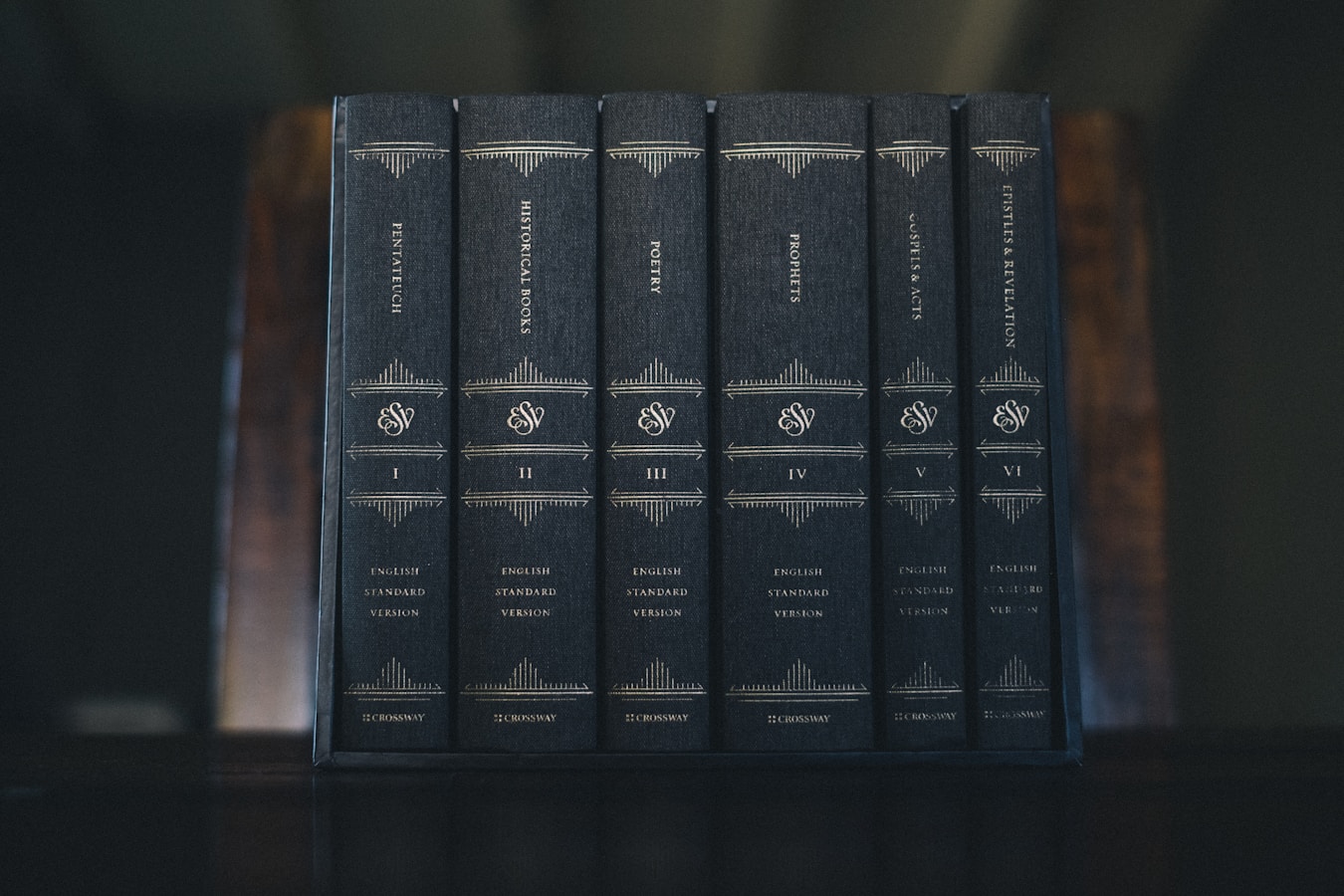
7) The “Read a Series in Order” Challenge
Choose one series you’ve been meaning to read properly, and commit to finishing it in the intended order.
Win condition: complete the full series (or at least 3 books in sequence).
Bonus: if you’re unsure about reading order, avoid common pitfalls using this guide: Book-Series Reading Order: 7 Rookie Mistakes (We’re Books in Chronological Order—this one is our bread and butter.)
8) The Themed Prompt Jar (Discovery Without Overthinking)
Write 20 themed prompts on slips of paper and pull one when you’re stuck.
Prompt ideas:
- a book with an island or isolated setting
- a title with 6 words or fewer
- a book set in winter
- a book with found family
- a book featuring a journey
- a book with a one-word title
Win condition: pull and complete 10 prompts across the year.
9) The “New-to-You Author” Challenge (12 Fresh Voices)
Pick 12 authors you’ve never read before.
Win condition: one new author each month OR 12 total by year-end.
Why it works: it breaks you out of algorithm loops and comfort ruts.
10) The Debut Author Spotlight (Support New Voices)
Choose 6 debut novels (any genre).
Win condition: read them and leave at least 3 honest reviews (even short ones).
Why it works: you discover future favorites early and build a more current reading life.
(Keep it simple: pick debuts that genuinely interest you—no forced “should reads.”)
11) The Diverse Voices Challenge (Broaden the Map)
Pick a personal diversity goal that feels meaningful:
- translated fiction
- authors from underrepresented communities
- international settings
- books outside your usual cultural lens
Win condition: 6–12 books, depending on your reading pace.
Tip: pair this with the genre challenge so it stays enjoyable, not dutiful.
12) The Community Reading Challenge (Book Club or Buddy Read)
Join (or create) a small reading community.
Win condition: participate in 6 discussions in 2026.
Why it works: accountability + conversation = momentum.
Even if you don’t want a full book club, do “micro-community” reading:
- a friend picks one book per season
- you read together and chat for 20 minutes
13) The Five-Star Prediction Game (Trust Your Taste)
Pick 6 books you predict will be 5-star reads for you.
Win condition: read them and compare your prediction to your final rating.
Why it works: it sharpens your sense of personal taste—which improves your future book choices.
14) The Visual Tracking Challenge (Color Checklists + Milestones)
Create a tracking system you actually want to look at:
- printable checklist
- digital tracker
- habit calendar
- color-coded prompts
Win condition: track consistently for 90 days (the habit-building window).
If you want a more advanced tracking setup, this internal resource is useful: Best Book Catalogue Software
15) The “Year-End Reflection” Challenge (Make It Count)
At the end of 2026, do a mini reading review:
- your top 10 books
- your biggest surprise
- the genre you want more of
- the genre you want less of
- the best new author you found
- the book you’re still thinking about
Win condition: reflection completed + a short 2027 intention set.
Why it works: you don’t just finish books—you build a reading life that evolves.
How to Track Your 2026 Reading Challenge Without Overcomplicating It
Choose the simplest system you’ll actually use:
Option A: One-page checklist
- fastest
- low pressure
- perfect if you hate apps
Option B: Notes app tracker
Create a single note called “2026 Reading Challenge” with:
- your 10–15 prompts
- a checklist under each
- a “done” section
Option C: Dedicated reading tracker / catalogue software
If you love data (ratings, genres, pages, streaks), go with a tool from: Best Book Catalogue Software
How to Keep Momentum All Year (Even When You Get Busy)
Here’s the sustainable formula:
1) Set a minimum reading floor
Example: “I read 5 minutes a day.”
This prevents the “I missed a day so I quit” spiral.
2) Use seasonal pacing
- Jan–Mar: build habit + tackle one series
- Apr–Jun: genre exploration + debuts
- Jul–Sep: lighter reads + audiobooks
- Oct–Dec: backlog rescue + rereads
3) Reward consistency, not speed
Rewards work best when they celebrate habit:
- new bookmark
- new paperback
- library trip
- an evening reading session with snacks
Building Your 2026 TBR Without Spending a Fortune
A practical note: challenges can become expensive if every prompt turns into a purchase.
Use library borrowing, ebook deals, and free resources. Start here: 6 Websites to Download Free Ebooks
Frequently Asked Questions
Should I focus on number of books or variety?
Variety tends to improve long-term enjoyment. If you want one metric, track “books finished.” If you want a richer year, track “new genres/authors/themes.”
How do I avoid reading slumps during a challenge?
Bake in:
– comfort rereads
– audiobooks
– shorter books
– “DNF allowed” as an official rule
Final Word: Your Best 2026 Reading Challenge Is the One You’ll Actually Finish
The smartest reading challenge doesn’t try to change who you are. It works with your real rhythms: your busy weeks, your tired nights, your occasional slumps, your sudden obsessions.
Pick prompts that feel like a nudge—not a weight.
If you start 2026 with one decision, make it this: I want reading to feel good again.
Everything else can be built from there.