Read every series in the right order
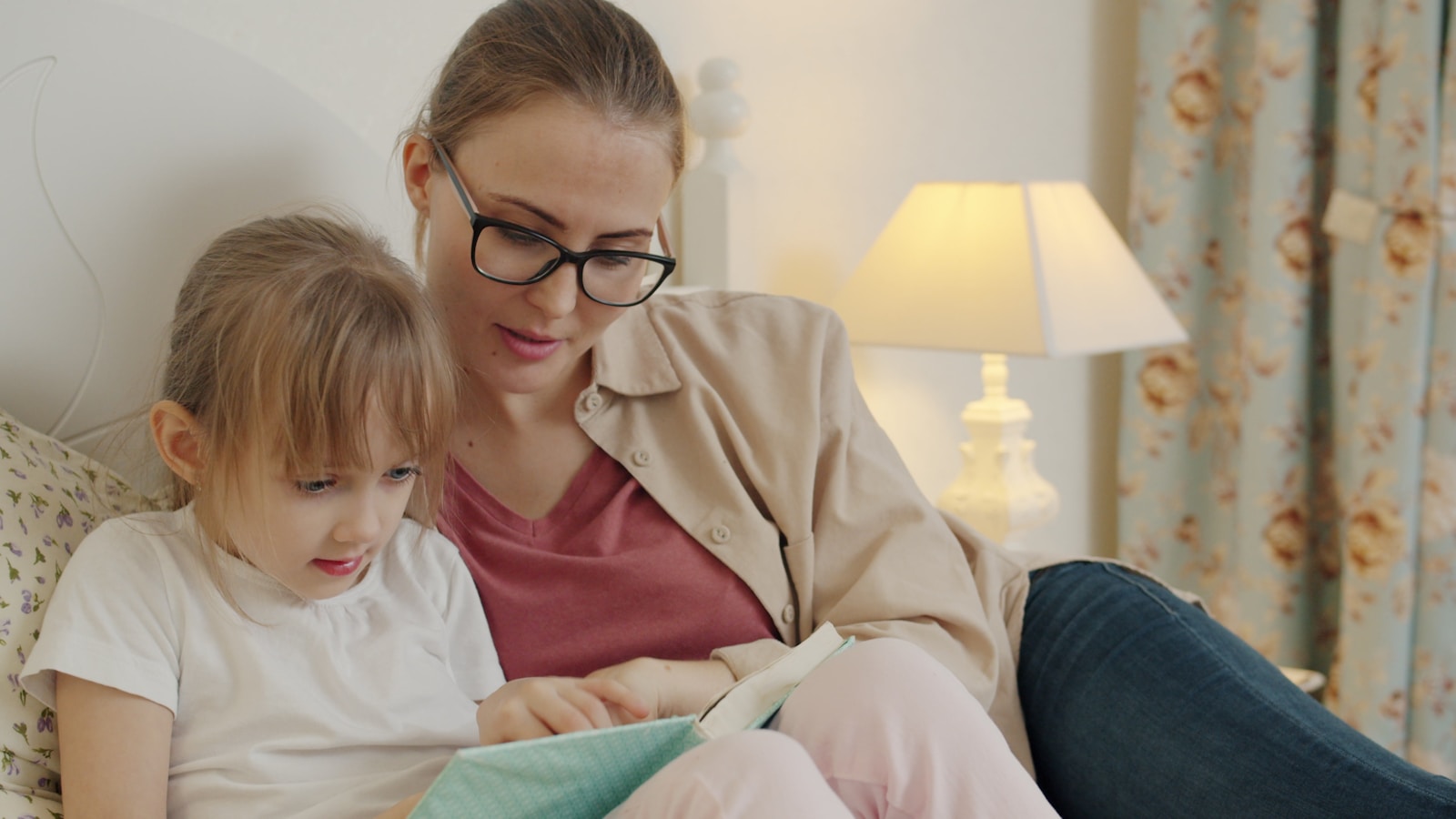
Reading With Kids: Practical Tips to Help Your Child Fall in Love With Books
Reading with kids doesn’t have to look like a picture-perfect Instagram moment with silent children and matching mugs. Most days, it’s a wiggly lap, a request for “the same book again,” a sudden debate about whether dragons would like pancakes, and a page turn that happens a little too early.
And that’s not a failure—that’s the good stuff.
Because the goal isn’t to raise a child who sits still for 30 minutes. The goal is to raise a child who associates books with comfort, attention, laughter, curiosity, and the delicious feeling of “what happens next?”
This guide is a practical, real-life approach to reading with kids—whether your child is a toddler who chews board books, a first-grader sounding out words like a tiny detective, or a tween who claims they “hate reading” but can’t stop telling you about their favorite game lore.
Quick Answer: How do you help your child love reading?
Make reading easy to start and hard to forget.
- Create a cozy, predictable reading spot
- Read aloud with warmth (not performance pressure)
- Let your child choose books—even “silly” ones
- Build a daily routine that fits your life (5 minutes counts)
- Connect stories to real life through play, outings, and conversation
- Keep it positive: reading is not a test
If you do just one thing: pair reading with connection. Kids fall in love with books because books become a place where they feel seen.
Table of Contents
Key Takeaways
- A dedicated reading nook makes reading feel special and inviting.
- Read aloud with expression—your joy is contagious.
- Choice creates buy-in: let kids pick books that match their interests.
- Library trips and fresh formats (graphic novels, audiobooks) keep curiosity alive.
- Consistency beats intensity: 5–10 minutes daily can change everything.
- Real-life connections deepen comprehension and make stories stick.
Why Reading with Kids Works (Even When They Can Read Alone)
Here’s the secret that isn’t really a secret: reading with kids is about relationship first, literacy second.
Yes, it helps vocabulary. Yes, it boosts comprehension. Yes, it supports academic confidence.
But the deeper win is this:
When you read with your child, you’re sending a message:
“This is a safe place to wonder. I’ll sit with you while you learn something new.”
That feeling becomes the emotional glue that keeps a child coming back to books—even when reading gets harder, when school assigns boring passages, or when screens start competing for attention.
So if you’re thinking, “My kid can already read… do we still need this?”
My answer is: yes—but now it can evolve.
- When they’re little, reading with kids is lap-time and voice-time.
- When they’re older, it becomes shared fandom, inside jokes, predictions, and “one more chapter.”
The “together” part is the magic.
Start Here: The Reading-with-Kids Mindset That Actually Helps
Before we talk tips, let’s set two rules that make everything easier:
1) Reading is not a performance
You don’t have to do accents. You don’t have to finish every book. You don’t have to sound like an audiobook narrator.
You just have to sound like you—calm, present, interested.
If you’re tired, it can be a low-energy read. If your child is silly, the reading can be silly. If the day was long, reading can be short.
2) You’re building identity, not compliance
When reading becomes a chore, kids learn:
“I read because I have to.”
When reading becomes a choice-filled ritual, kids learn:
“I’m a reader. Stories are for me.”
That’s the identity we’re building.
Create a Cozy Reading Space at Home (Without Redecorating Your House)
A “reading nook” can be a Pinterest-level corner… or it can be a pillow on the floor. What matters is that it’s easy to access and pleasant to return to.
The simplest formula for a kid-friendly reading space
Comfort + light + books within reach + low distraction
Here are easy upgrades that work in real homes:
- One soft spot: bean bag, floor cushion, or a specific chair
- One warm light: lamp, clip-on light, or daylight by a window
- A small book basket: rotate books weekly so it feels fresh
- A “reading buddy” object: stuffed animal, blanket, or “storytime pillow”
- A screen-free rule (for the reading zone): not forever—just during reading
If your child is young, keep the book basket at their level. Kids read more when books are visible. Out of sight truly becomes out of mind.
Make the space feel like “their” space
Personal touches do wonders:
- Let them choose a bookmark
- Give the nook a fun name (“Dragon Cave,” “Space Station,” “Cozy Corner”)
- Add a tiny “Now Reading” sign they can flip
Small ownership turns reading into a place they want to go.
Build a Daily Reading Routine That Doesn’t Collapse on Busy Days
If your schedule is chaotic, you don’t need a perfect routine. You need a repeatable anchor.
Pick a reading “trigger”
A trigger is something that already happens every day. Attach reading to it.
Good triggers:
- After brushing teeth
- After dinner
- Before bed
- Right after school snack
- Before leaving for school (even 3 minutes)
The best trigger is the one you can keep.
Start smaller than you think
Most parents aim too high and then feel discouraged.
Instead of:
- “We’ll read 30 minutes every night!”
Try:
- “We’ll read one book / one chapter / five minutes.”
Five minutes a day is enough to build the habit—and habits are what create lifelong readers.
Use the “Two-Book Rule” (a routine saver)
This is my favorite trick for bedtime battles:
- One parent-pick (short, reliable, familiar)
- One kid-pick (their choice, even if it’s goofy)
You get consistency. They get autonomy. Everybody wins.
Read Aloud Like You Mean It (Even If You’re Not Dramatic)
Kids don’t need theatrics. They need engagement.
Here’s what makes reading aloud feel irresistible:
Use your voice strategically
- Slow down during suspense
- Speed up during action
- Pause before a funny line
- Whisper occasionally (kids lean in automatically)
Even tiny changes make the story feel alive.
Let your child “participate”
Reading with kids becomes addictive when they’re not just listening—they’re in it.
Try:
- “What do you think happens next?”
- “Which character would you be?”
- “Show me the funniest picture on this page.”
- “Can you find the hidden detail?”
For older kids:
- “If you were the author, what would you change?”
- “Who’s lying right now?”
- “What’s the clue we missed?”
Keep it cozy, not corrective
If your child is learning to read and makes mistakes, don’t turn storytime into a lesson.
You can help without interrupting the flow:
- If they get stuck, give the word calmly.
- Praise effort (“You didn’t give up—that matters.”)
- Save instruction for a different moment.
Storytime should feel safe.
Let Them Choose What They Want to Read (Yes, Even That)
This is where many reading journeys either take off… or stall.
Kids love what they choose. Adults love what feels “worth it.” You want both—but if you have to pick one, pick interest.
Why choice matters so much
When a child chooses the book, they’re not just picking a story. They’re practicing:
- curiosity
- autonomy
- taste
- identity
That’s the foundation of lifelong reading.
What if they only choose “easy” books?
That’s not a problem. That’s a doorway.
Graphic novels, joke books, comics, short chapter books, and re-reads all build:
- fluency
- confidence
- stamina
- positive association
You can gently widen the range by offering “bridges”:
- If they love comics → try graphic novel series
- If they love jokes → try funny chapter books
- If they love animals → try animal adventures or nonfiction
But don’t shame the starting point. Reading is reading.
Use the “Yes, And” method
Instead of:
- “No, pick something better.”
Try:
- “Yes, grab that—and let’s also choose one that feels different.”
That keeps the mood collaborative, not controlling.
Use Series to Keep Momentum (Because “One More Book” Is the Dream)
Standalone books are great. But series are reading habit rocket fuel.
Why? Because the hardest part of reading is often not reading—it’s choosing what to read next.
A series solves that.
If you’re looking for age-appropriate series ideas, you’ll love our list of 5 Best Series for 10-Year-Olds. SiteMap
A quick note on reading order (because we’re Books in Chronological Order)
Some kids love knowing the “right” order—especially once they start falling into fandom.
If your child is starting a series and you want a simple guide for how reading order works (publication vs chronological vs spin-offs), here’s a helpful resource:
And if you want to make series-reading extra cozy, box sets can be a fun motivation boost:
Visit Libraries and Treat Them Like Adventure Stops
If you want your child to think of books as exciting, the library is your best friend.
Libraries offer:
- newness (fresh stories!)
- abundance (so much choice!)
- community (storytimes, clubs, challenges)
- freedom (kids can browse without “buying pressure”)
Make library trips predictable
A library visit becomes powerful when it’s a rhythm, not a rare event.
Try:
- every Saturday morning
- the first Sunday of the month
- after school on one consistent day
Make browsing feel like play
Give your child a “book quest”:
- Find a book with a dragon.
- Find a book that makes you laugh.
- Find a book with a character your age.
- Find a book that teaches you something weird.
You’re training the skill of finding books you like—which is one of the most important reading skills there is.
Don’t forget alternative formats
Some kids fall in love with:
- audiobooks
- graphic novels
- illustrated nonfiction
- magazines
- “choose your own adventure” style books
The format isn’t cheating. The format is access.
Establish Distraction-Free Reading Time (Without Turning Into the Screen Police)
You don’t need a digital detox. You need a small protected pocket of time.
A simple rule that works
During reading time:
- phones go face-down
- TV stays off
- one quiet space is chosen
That’s it.
Even 10 minutes of focused attention is powerful—especially for kids whose days are filled with constant noise and notifications.
Use a transition ritual
Kids do better with “now we switch modes” cues.
Try:
- one specific song (low volume)
- a timer they can start
- a “story candle” (battery candle is fine)
- a snack + book pairing
The brain loves rituals. Rituals make reading easier to begin.
Connect Stories to Real Life (So Books Feel Like Their World)
A book becomes unforgettable when it leaks into life.
This doesn’t have to be elaborate. It can be tiny.
Easy ways to connect books to real life
- Read a book about animals → visit a zoo or watch a short documentary
- Read a book about cooking → cook one simple recipe together
- Read a story about space → stargaze for five minutes and name constellations
- Read about a museum → visit one (or even take a virtual tour)
- Read about nature → do a walk and “collect” story items (leaves, stones)
Even small connections teach:
Books are not separate from life. Books explain life.
Make it conversation, not comprehension quizzes
Instead of:
- “What was the theme?”
- “What was the main idea?”
Try:
- “What part made you feel something?”
- “Which character annoyed you?”
- “If you could change one thing, what would it be?”
- “Would you want to live in that world?”
These questions build deeper thinking while keeping reading enjoyable.
Age-by-Age: What Reading with Kids Can Look Like at Every Stage
Every age has a different kind of “win.” Here’s how to adjust without feeling like you’re doing it wrong.
Babies and Toddlers (0–3): The sensory stage
Success looks like:
- chewing books
- pointing at pictures
- flipping pages fast
- repeating the same book forever
What helps:
- board books with rhythm
- animal books and sound books
- short bedtime routines
- letting them hold the book and “read” in their way
Your job here is simple: make books normal.
Preschoolers (3–5): The imagination stage
Success looks like:
- acting out scenes
- interrupting with questions
- wanting the story to match the pictures exactly
What helps:
- picture books with humor
- books with repeatable phrases (kids love to chime in)
- letting them “tell” parts of the story from memory
- rotating books weekly to keep novelty
This is a golden stage for building positive association.
Early Readers (5–7): The confidence stage
Success looks like:
- sounding out slowly
- choosing “easier” books
- getting tired quickly
What helps:
- shared reading (you read a page, they read a page)
- praising effort, not speed
- graphic novels and illustrated chapter books
- letting them re-read favorites (re-reading builds fluency!)
Avoid turning reading into constant correction. Keep it warm.
Middle Grade (8–12): The fandom stage
Success looks like:
- obsessions (series, characters, worlds)
- reading spurts (a lot one week, less the next)
- strong opinions
What helps:
- series (seriously, series)
- letting them choose books that feel “cool”
- audiobooks for long car rides
- book-to-movie comparisons (great hook)
This is a prime age for reading identity: “I’m the kid who loves mysteries” or “I’m a fantasy reader.”
Teens (13+): The independence stage
Success looks like:
- reading privately
- preferring certain genres strongly
- resisting “family reading time”
What helps:
- respect
- recommendations, not demands
- “book talk” without pressure (“I read something wild—want the premise?”)
- supporting formats like audiobooks and ebooks
- letting them DNF (do not finish) books that aren’t working
Teens don’t need you to supervise reading. They need you to support access and interest.
How to Help Reluctant Readers Without Pressure
If your child avoids reading, it usually isn’t laziness. It’s one of these:
- reading feels too hard (skill gap)
- reading feels embarrassing (confidence gap)
- reading feels boring (interest mismatch)
- reading feels like school (emotional association)
Step 1: Remove the “test” feeling
Stop asking questions that sound like homework.
Replace:
- “What happened in the chapter?”
With:
- “What part was interesting?”
- “Did anything surprise you?”
- “Who’s your favorite character so far?”
Step 2: Make reading easier to start
Use micro-steps:
- one page
- five minutes
- one comic strip
- one poem
Starting is everything.
Step 3: Find the right book “hook”
Some reliable hooks:
- humor
- mysteries
- survival stories
- animals
- sports
- “weird facts”
- scary-but-not-too-scary
- graphic novels
A reluctant reader doesn’t need a lecture. They need a book that finally clicks.
Step 4: Use shared reading as a bridge
You read the “hard” book aloud while they listen.
Then they read their “easy” book solo.
That keeps skills growing without killing joy.
Mixed Ages in One Room: How to Read Together Without Chaos
If you’re reading with multiple kids, you’re basically running a tiny book club with wildly different attention spans.
Here’s what helps:
Use a “family read-aloud” plus personal reading
- 10 minutes: one shared read-aloud (everyone together)
- 10 minutes: individual reading (everyone picks their own)
Even toddlers can “read” board books beside older siblings.
Choose family read-aloud books that work across ages
Look for:
- humor that adults also enjoy
- short chapters
- cliffhanger endings
- vivid characters
And don’t be afraid to use audiobooks for the family read-aloud. It counts, and it can be magical.
Track Reading Progress Without Making It a Competition
The fastest way to ruin reading is to turn it into a scoreboard.
Instead, track reading like you’d track memories.
Gentle ways to track reading
- a simple list on the fridge (“Books We Read This Month”)
- a jar where you add a marble for each finished book
- a “favorite quotes” notebook (kids can draw instead of write)
- a sticker chart only if it stays fun
Progress isn’t only “more pages.” It can be:
- longer attention span
- more curiosity
- better book taste
- confidence choosing books
- deeper conversations about stories
Those are huge wins.
Book Rewards That Aren’t Screen-Based (And Don’t Feel Like Bribes)
Rewards can help—if they celebrate the ritual, not “pay” for it.
Try:
- a special reading snack
- a trip to the library
- a new bookmark
- choosing the next family read-aloud
- building a pillow fort for storytime
- letting them “host” a mini book talk at dinner
The best rewards make reading feel more cozy, more personal, more theirs.
Common Mistakes When Reading with Kids (And Easy Fixes)
Mistake 1: Only reading at bedtime
Bedtime reading is wonderful… unless everyone is exhausted.
Fix: add a daytime micro-session:
- after school snack
- weekend morning
- right after dinner
Mistake 2: Pushing “advanced” books too soon
Sometimes adults push higher levels because they want progress.
Fix: prioritize enjoyment. Fluency grows with volume, and volume grows with joy.
Mistake 3: Treating re-reading as “wasting time”
Kids re-read because it feels safe, fun, and confidence-building.
Fix: let them re-read—and sprinkle in “bridge” options alongside.
Mistake 4: Turning every book into a lesson
Fix: let some books be pure entertainment. That’s what creates lifelong readers.
Frequently Asked Questions
How can I tailor reading for mixed ages in one room?
Use a short shared read-aloud, then individual reading time. Choose family books with humor, short chapters, and strong characters.
What are quick rewards that aren’t screen-based?
Bookmarks, reading forts, book-themed snacks, library trips, picking the next read-aloud, and simple reading challenges that feel playful.
How do I handle reluctant readers without pressure?
Reduce “testing,” make reading easier to start, find the right hook (humor/mystery/graphic novels), and use read-aloud as a bridge.
What genres spark curiosity in older kids?
Fantasy, mystery, science fiction, survival stories, graphic novels, and “weird facts” nonfiction are frequent winners.
How can I measure genuine reading progress at home?
Watch for increased confidence, longer attention, better book selection, stronger curiosity, and deeper story conversations—not just page counts.
Final Thoughts: The Real Payoff of Reading with Kids
Reading with kids is one of those habits that feels small in the moment—and huge in hindsight.
It’s not just about finishing books. It’s about the tiny, repeatable experience of being close to someone who cares and sharing a story together.
A cozy corner. A predictable time. A child choosing a book that makes them grin. A parent voice that says, “I’m here.” A page turned. A laugh. A question. A quiet.
And then, eventually—without you forcing it—your child starts reaching for books on their own.
Not because they have to.
Because they want to.
That’s how readers are made.